


Creating a perfect interior space requires proper planning, research, and execution. A well-organized interior design checklist before starting any project helps avoid costly mistakes and ensures smooth project completion. At DSI Interiors, we focus on delivering high-quality, functional, and aesthetically pleasing interior solutions for modern homes and commercial spaces. Whether you are planning a luxury home renovation or designing a new apartment, following a professional checklist will help you achieve the best results with less stress and better budget control.

Understand Your Lifestyle and Space Requirements
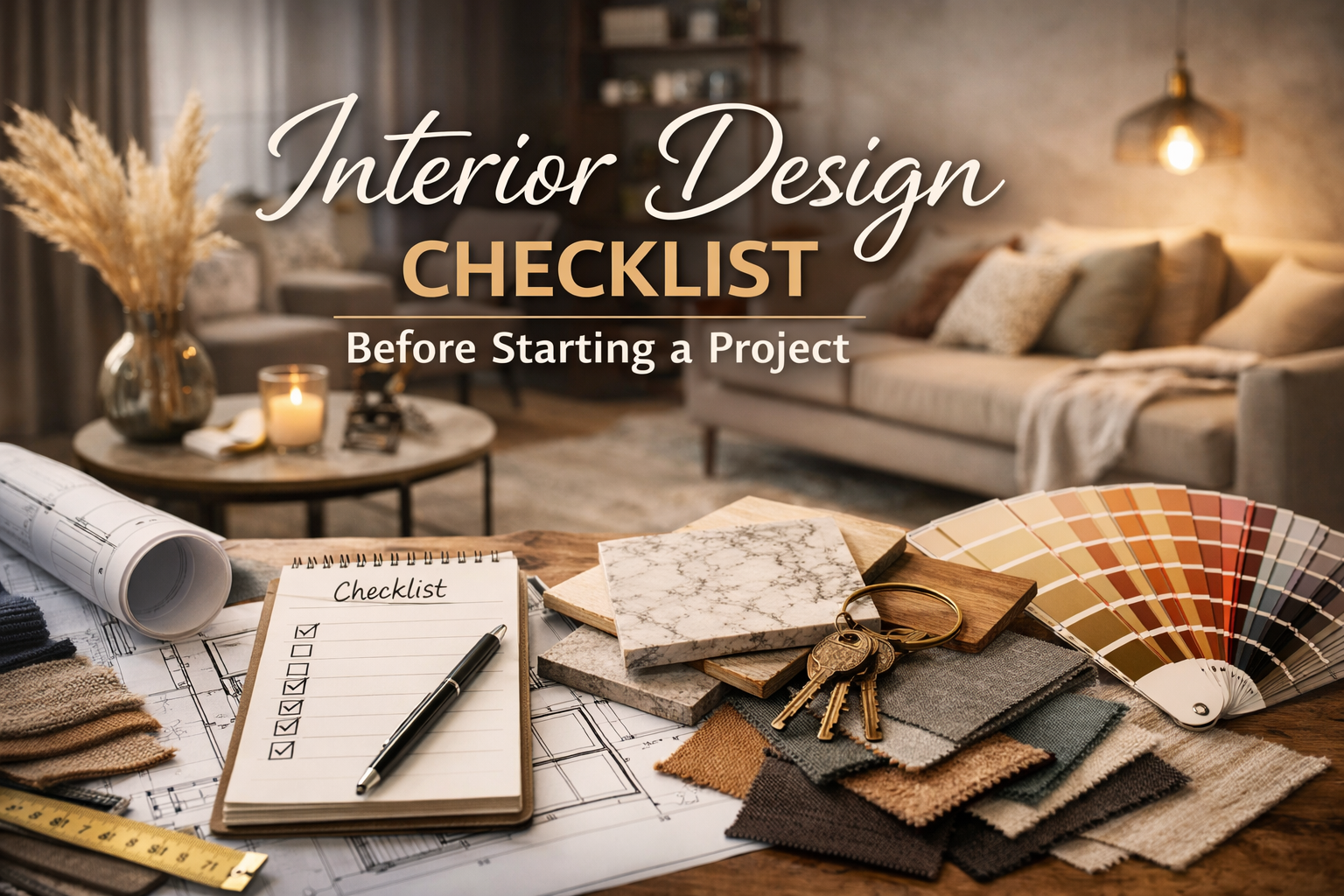
The first step in interior design planning, as highlighted in the Interior Design Checklist Before You Start, is understanding how you use your space daily. Every family or business has different requirements—some prefer open, spacious layouts, while others need more private and functional divisions within their home. At DSI Interiors, we carefully analyze client lifestyle patterns, family size, and future needs before designing interiors. For instance, if you have children, safer furniture edges and additional storage solutions become essential. Similarly, if you work from home, a dedicated study or office corner with proper lighting and comfort is important to ensure productivity and ease.
Set Clear Interior Design Goals
Having clear design goals helps in achieving better results. Decide whether you want a modern luxury look, a minimalistic design, traditional Indian interior style, or a mix of different styles. DSI Interiors helps clients visualize their dream interiors through 3D design planning and concept development. Clear design goals also help in communicating your expectations to designers and contractors more effectively. Without proper goals, projects can become confusing, expensive, and time-consuming.
Plan Your Interior Design Budget Smartly
Budget planning is one of the most important steps in interior design. You should divide your budget into different categories, such as furniture, wall finishes, electrical work, lighting, decoration, and labor costs. At DSI Interiors, we help clients maintain a balance between premium quality and affordability. Always keep an emergency budget of at least ten to fifteen percent of the total project cost for unexpected expenses such as material price changes or additional design modifications.
Select the Right Interior Design Style
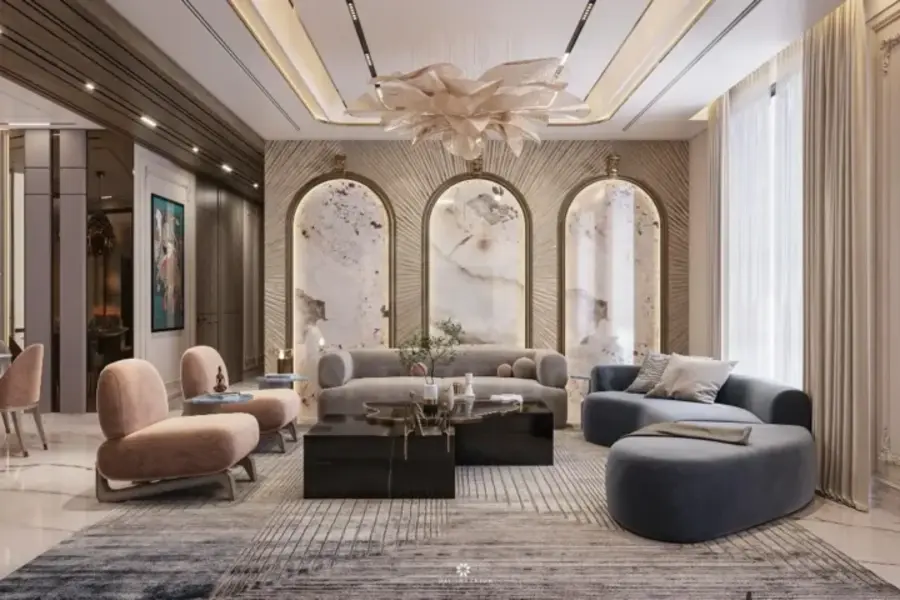
Choosing the right design style, as mentioned in the Interior Design Checklist Before You Start, gives your home or office a unique identity. Modern luxury interiors are popular among urban homeowners, while minimalist interiors are trending for small apartments. DSI Interiors specializes in combining modern aesthetics with functional design elements. Popular interior design styles include contemporary interiors, Scandinavian minimal design, classic royal interior style, and industrial design concepts. Selecting one primary style helps maintain consistency in furniture, wall colors, and overall décor, ensuring a well-balanced and visually appealing space.
Measure Your Space Accurately
Space measurement is essential before purchasing furniture or finalizing design layouts. Incorrect measurements can cause furniture fitting problems and design mismatches. Measure wall length, ceiling height, window positions, and door openings carefully. Professional designers at DSI Interiors use advanced planning techniques to optimize space utilization, especially for compact homes and small apartments where every inch matters.
Focus on Lighting Design and Natural Ventilation
Lighting plays a major role in creating beautiful interiors. Proper lighting improves mood, productivity, and overall ambiance. Natural sunlight should always be maximized during the daytime. Combine different lighting types such as ambient lighting, task lighting, and decorative lighting. DSI Interiors suggests installing energy-efficient LED lighting systems to reduce electricity costs while maintaining luxury lighting aesthetics. Proper ventilation is equally important to maintain fresh air circulation and healthy living conditions.
Choose High-Quality Furniture and Materials
Furniture quality directly affects interior durability and long-term maintenance costs. Always choose strong materials such as premium wood, engineered boards, and high-quality metal fittings. Upholstery fabrics should be chosen based on climate conditions and usage patterns. DSI Interiors works with trusted material suppliers to ensure premium quality finishes and long-lasting furniture solutions for clients.
Smart Storage Planning for Modern Homes
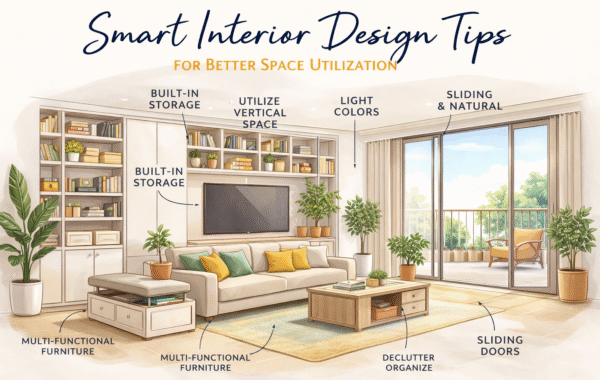
Storage solutions are essential for maintaining clean and organized spaces. Modern interior design focuses on hidden storage and modular solutions. Built-in wardrobes, modular kitchen cabinets, and under-bed storage help maximize space efficiency. DSI Interiors specializes in smart storage design that improves usability without compromising interior beauty. Proper storage planning also reduces clutter and improves daily living comfort.
Choose Perfect Wall Colors and Textures
Color psychology plays an important role in interior design. Light shades like white, beige, and pastel colors make spaces look bigger and brighter. Dark colors like navy blue, charcoal grey, and deep brown add luxury and elegance. DSI Interiors helps clients choose color combinations that match furniture design, lighting, and overall theme. Wall textures and wallpaper designs also enhance visual depth and premium aesthetics.
Flooring Selection Matters
Flooring is another important design element that affects the overall look of your space. Popular flooring materials include marble, wooden flooring, vitrified tiles, and ceramic tiles. At DSI Interiors, we recommend choosing flooring based on climate conditions, maintenance requirements, and lifestyle usage. Luxury homes often prefer marble or wooden finish flooring for a premium appearance.
Electrical and Technology Planning in Interior Design Checklist: Before You Start
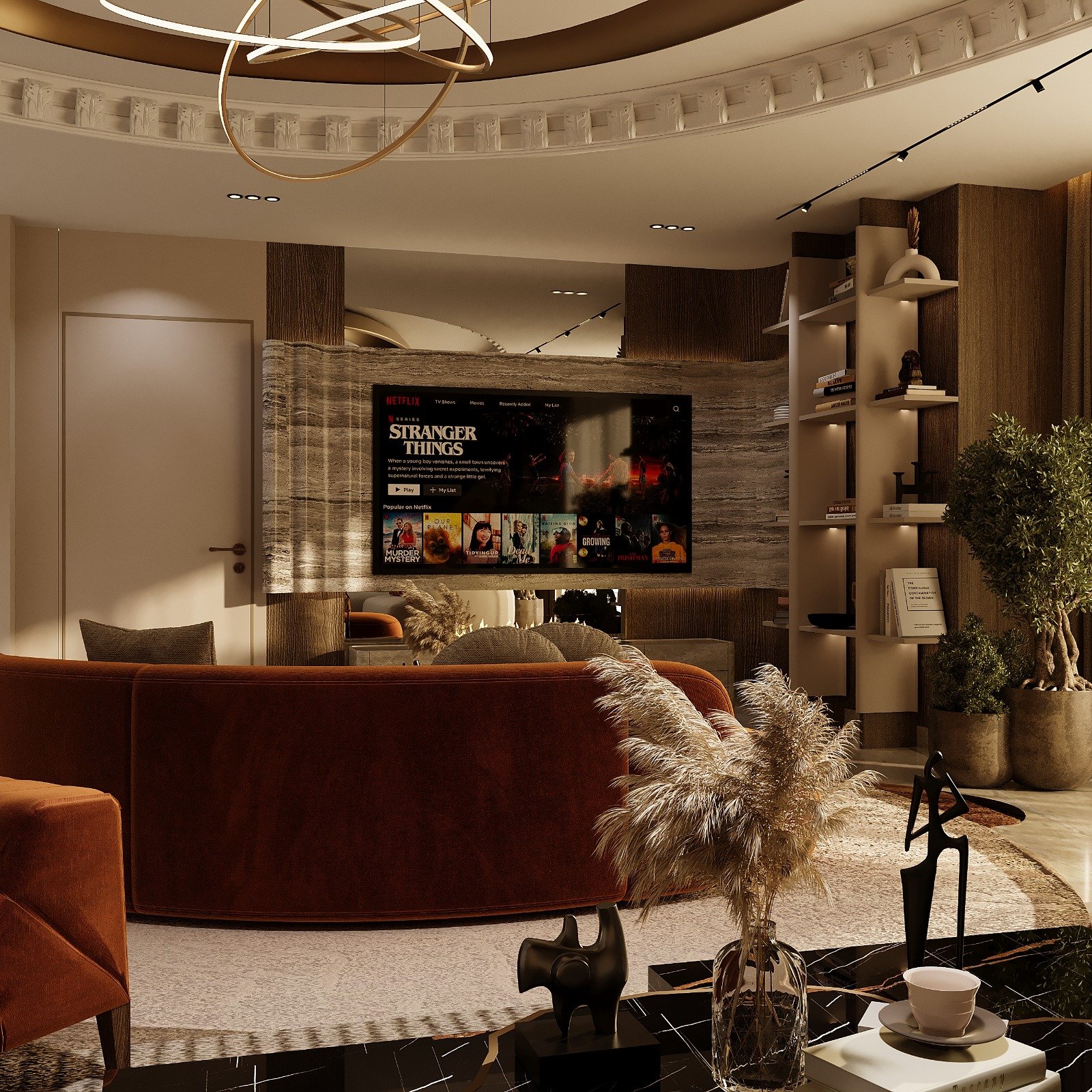
Electrical and technology planning is an important part of the Interior Design Checklist Before You Start. Proper planning of switchboard placement, charging points, home automation systems, and entertainment setups ensures safety, convenience, and modern functionality in homes. DSI Interiors helps integrate smart technology solutions for a comfortable and stylish living experience.
Decorate with Proper Accessories
Decorative items enhance the beauty of interior spaces. Use wall art, decorative lights, indoor plants, and designer curtains to improve visual appeal. DSI Interiors recommends maintaining a balance between decoration and functionality. Too many decorative items can make spaces look crowded and cluttered.
Hire Professional Interior Designers
Hiring professional interior designers saves time and reduces project mistakes. DSI Interiors provides expert consultation, planning, and execution services for residential and commercial interior projects. Professional designers ensure better material selection, proper project management, and high-quality finishing work.
Timeline and Project Management
Always discuss project timelines with your interior designer. Delays can increase project cost and create inconvenience. DSI Interiors follows structured project management processes to ensure timely project delivery and client satisfaction.
Quality Inspection and Final Touches
Before moving into a new space, always inspect the quality of work carefully. Check paint finishing, furniture installation, electrical fittings, and plumbing work. DSI Interiors focuses on quality assurance and finishing perfection to deliver luxury interior experiences.
Conclusion
Following an interior design checklist before starting your project ensures better results, cost efficiency, and smoother execution. DSI Interiors provides professional interior design services that combine creativity, functionality, and premium quality craftsmanship. Proper planning, smart budgeting, and professional guidance are key factors for creating beautiful and comfortable living spaces. Whether you are designing a home, office, or commercial property, DSI Interiors helps turn your vision into reality with modern design solutions and expert execution.