

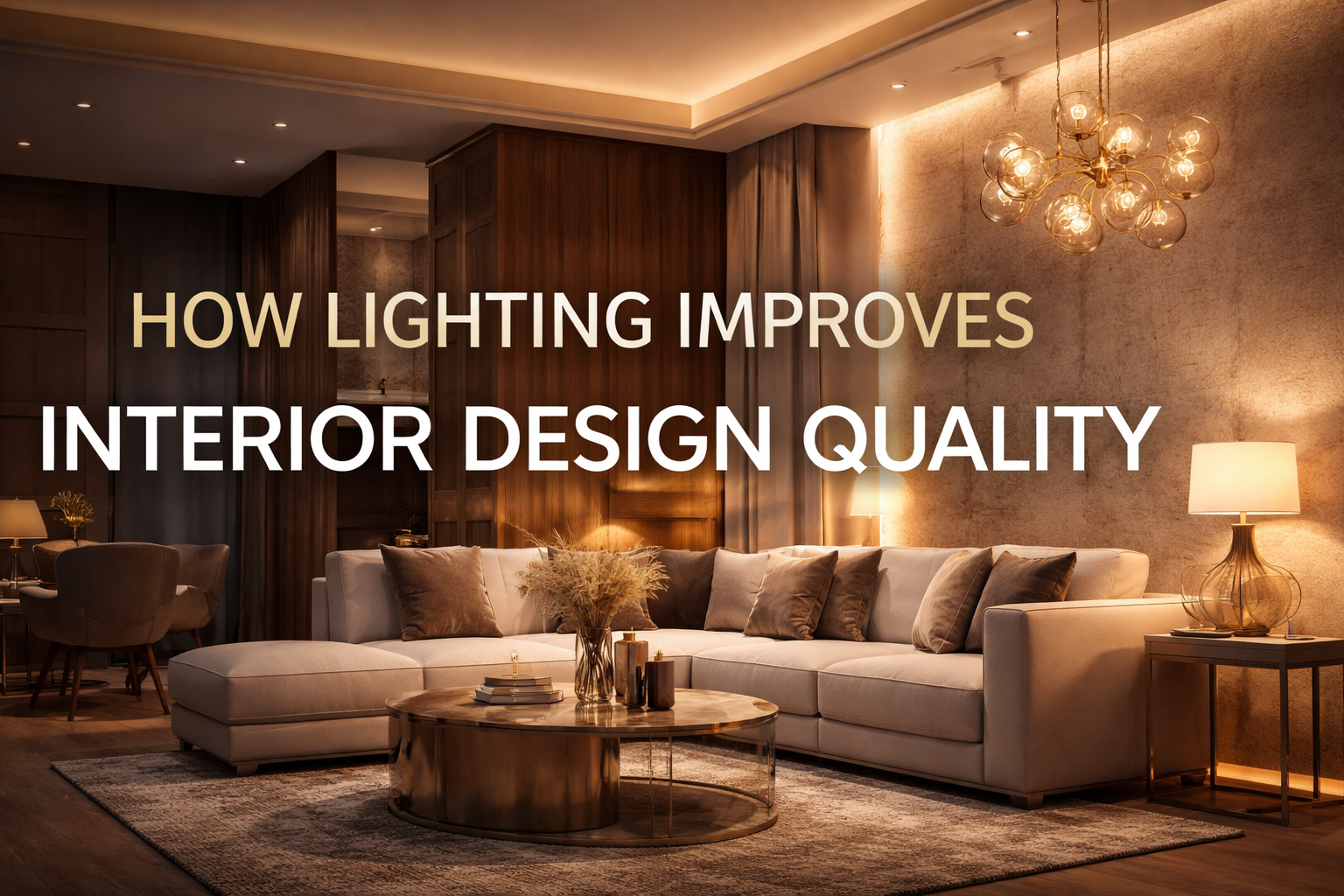

When we talk about premium interiors, most people think about furniture, wall finishes, or décor elements. However, the real transformation of a space happens through lighting. In fact, How Lighting Improves Interior Design Quality is not just a design concept but a practical reality that defines how a space looks, feels, and functions every day.
Lighting has the power to enhance beauty, increase functionality, and create emotional impact. Without proper illumination, even the most luxurious interiors can appear dull. On the other hand, a well-planned lighting strategy can elevate a simple design into something refined and impressive.
Enhancing Visual Appeal and Depth
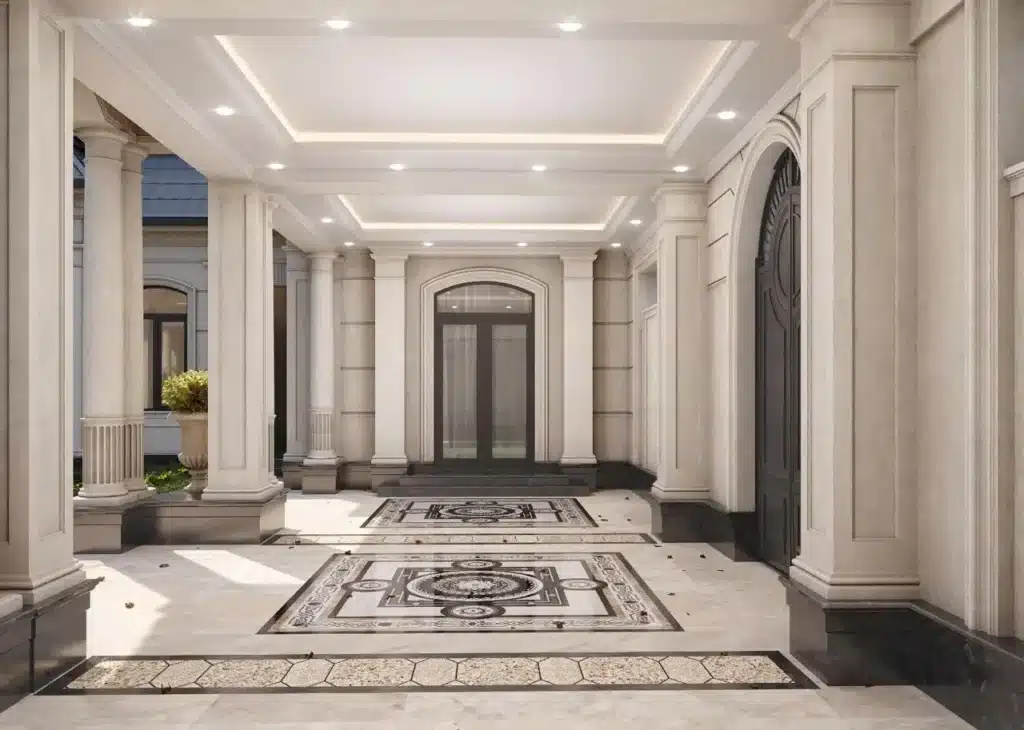
Lighting reveals the true character of a space. It highlights textures, emphasizes architectural features, and enhances color tones. Whether it is a textured wall, marble flooring, wooden paneling, or a statement ceiling design, proper lighting ensures that every detail stands out clearly.
Natural daylight plays an important role in improving interior quality. Large windows, glass partitions, and reflective materials allow sunlight to spread evenly across the room. This makes interiors look fresh, open, and inviting. During the evening, artificial lighting takes over and maintains the same elegance when layered correctly.
Creating Mood and Atmosphere
Lighting directly affects the mood of a space. Warm lighting tones create comfort and relaxation, making them ideal for bedrooms and living rooms. Cooler lighting enhances clarity and focus, which works well in kitchens, offices, and study areas.
Dimming options and layered lighting systems allow flexibility. A bright environment during the day can shift into a cozy setting at night. This adaptability increases both comfort and overall design value.
Improving Space Perception
Strategic lighting placement can make compact rooms appear larger and spacious areas feel more structured. Wall washers, concealed LED strips, and pendant lights define boundaries and remove unwanted shadows.
Layering ambient, task, and accent lighting adds dimension. Instead of relying on a single central light, multiple light sources create depth and balance. This technique improves the overall spatial experience and contributes to higher interior design quality.
Enhancing Functionality and Comfort
Interior design is not just about aesthetics. Proper task lighting improves efficiency in kitchens, wardrobes, study corners, and bathrooms. Clear mirror lighting, under-cabinet illumination, and focused desk lights make daily activities easier and more comfortable.
When lighting reduces strain and enhances usability, it strengthens the functional aspect of the design. A well-lit home naturally feels more organized and thoughtfully planned.
Highlighting Architectural Features
Accent lighting draws attention to decorative elements such as artwork, feature walls, false ceilings, and textured panels. These highlights create focal points and prevent the space from looking flat.
Careful spotlight positioning adds drama and sophistication without overpowering the design. This subtle detailing enhances the premium feel of interiors.
Elevating Materials and Finishes
Different materials react uniquely to light. Marble reflects brightness beautifully, wooden surfaces appear warmer under soft lighting, and matte finishes gain elegance with diffused illumination. The right lighting ensures that every material looks rich and refined.
This is where professional planning becomes important. Poor lighting can distort colors and reduce the visual appeal of expensive finishes.
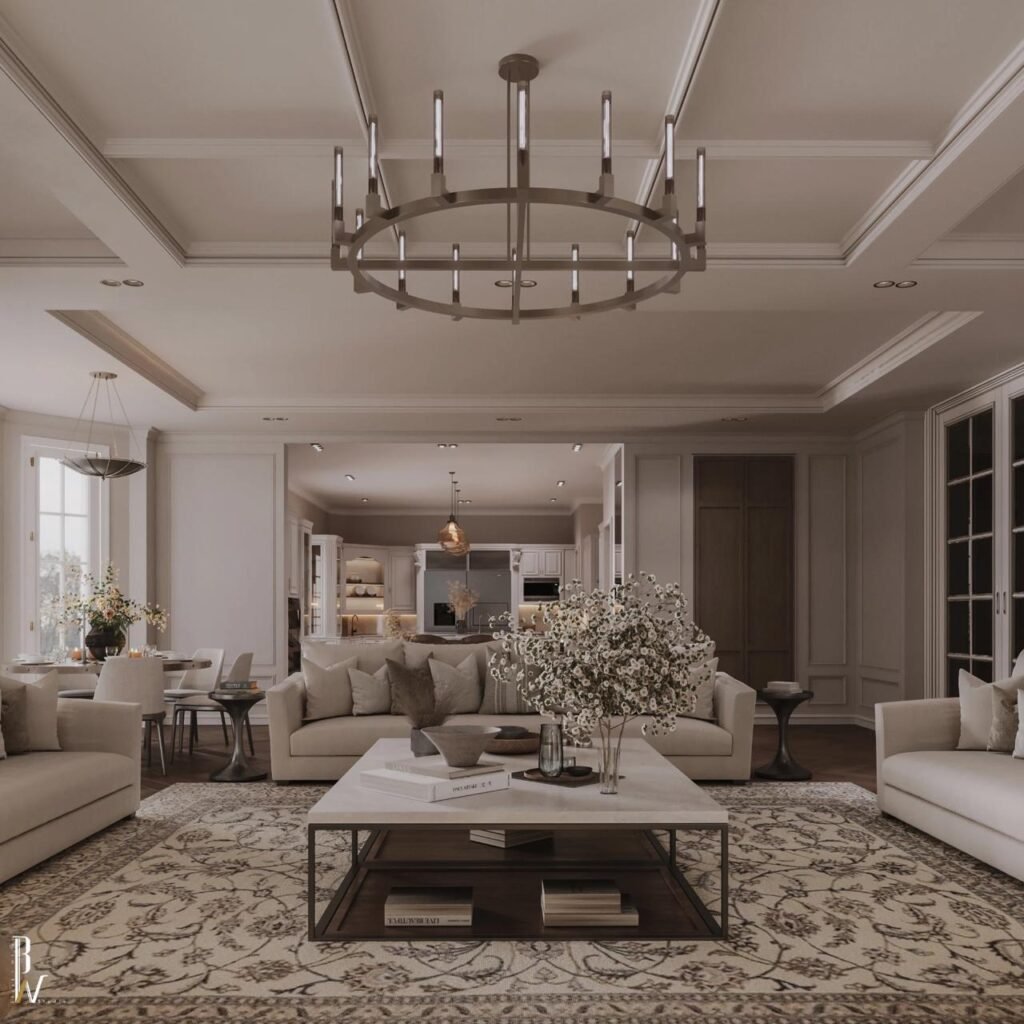
The Importance of Early Planning
Lighting should always be considered during the initial design phase. Electrical layouts, ceiling structures, and furniture placements all influence how light spreads within a space.
At DSI Interiors, lighting is integrated from the very beginning of each project. The team carefully studies layout planning, client lifestyle, and design objectives to ensure that illumination enhances both beauty and practicality. This detailed approach ensures long-term comfort and lasting visual impact.
Final Thought
Understanding How Lighting Improves Interior Design Quality helps homeowners make smarter design decisions. Lighting is not just an accessory; it is the foundation that connects every design element into one harmonious experience.
When planned with precision and creativity, lighting transforms interiors into spaces that feel luxurious, balanced, and timeless. True design quality is achieved not only by what you place in a room, but by how you illuminate it.