


Creating a well-designed home is not only about selecting beautiful furniture or attractive color combinations. The true strength of a successful interior lies in how efficiently the available space is utilized. Proper space utilization ensures that every corner of your home serves a purpose while maintaining comfort, functionality, and visual balance.
Whether you are designing a small apartment, a medium-sized house, or a spacious villa, understanding how to manage and organize space effectively can completely transform the way your home looks and feels. In this detailed guide, we will explore practical and professional interior design tips for better space utilization to help you create a smart, organized, and comfortable living environment.
Begin with Detailed and Practical Space Planning
Space planning is the foundation of every successful interior design project. Before purchasing furniture or finalizing décor elements, it is essential to evaluate the layout carefully. Measure the exact dimensions of the room, identify window placements, door openings, and structural elements such as columns or beams.
Proper planning allows you to:
- Clearly define functional zones such as seating, dining, study, and relaxation areas so that each activity has a dedicated space without overlapping.
- Maintain smooth circulation paths, ensuring that movement within the room is comfortable and unrestricted.
- Avoid unnecessary furniture placement that can make the room feel crowded or congested.
- Improve the balance between open areas and furnished sections, creating a harmonious layout.
- Maximize natural light flow by positioning furniture strategically around windows and openings.
Thoughtful space planning ensures that your home feels organized, spacious, and easy to use daily.
Choose Multi-Functional and Space-Saving Furniture
Furniture plays a major role in space utilization. Instead of filling a room with multiple single-purpose pieces, select furniture that offers more than one function.
Multi-functional furniture helps you:
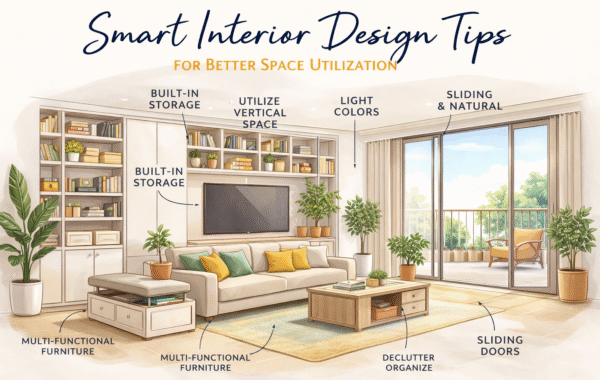
- Reduce clutter by combining storage and seating within a single unit, such as storage ottomans or benches.
- Save valuable floor space by using foldable dining tables or wall-mounted desks that can be tucked away when not in use.
- Accommodate guests comfortably with sofa-cum-beds without requiring an extra bedroom.
- Increase storage capacity through hydraulic beds, drawer systems, and modular cabinets.
- Maintain a clean and modern appearance with sleek, compact designs that do not overwhelm the room.
Smart furniture selection improves practicality while keeping interiors stylish and spacious.
Make Full Use of Vertical Space
Many homes underutilize wall space, focusing only on the floor area. However, vertical storage solutions can significantly improve space efficiency.
Using vertical space effectively allows you to:
- Install floor-to-ceiling wardrobes that provide maximum storage without expanding horizontally.
- Add floating shelves for books, décor items, and daily essentials without occupying floor space.
- Utilize overhead cabinets in kitchens to store rarely used items neatly and safely.
- Create wall-mounted entertainment units that combine display and storage functions.
- Design tall cabinets in bathrooms for towels and toiletries, keeping surfaces clear.
By extending storage upward, you free up valuable floor area and create a more open environment.
Select Light Colors and Reflective Surfaces
Color selection has a direct impact on how spacious a room appears. Light shades reflect natural and artificial light, making interiors feel larger and brighter.
Using light tones and reflective materials helps you:
- Create an airy and open atmosphere, especially in compact rooms.
- Enhance brightness by reflecting sunlight throughout the space.
- Reduce the visual heaviness that darker colors can sometimes create.
- Add depth through strategically placed mirrors that expand visual boundaries.
- Achieve a clean and elegant look that complements modern interior styles.
A carefully chosen color palette improves both aesthetics and spatial perception.
Maintain Proper Furniture Proportion and Layout Balance
Selecting furniture that suits the scale of the room is essential for better space utilization. Oversized sofas, bulky cabinets, or heavy center tables can make even a large room feel restricted.
Maintaining correct proportions ensures that:
- The room remains comfortable and easy to move around in.
- Furniture does not block natural light or ventilation.
- Visual balance is maintained between empty and occupied spaces.
- Smaller rooms feel open instead of overcrowded.
- The design looks cohesive and well-planned rather than random.
Choosing sleek and streamlined furniture designs helps maintain openness without sacrificing comfort.
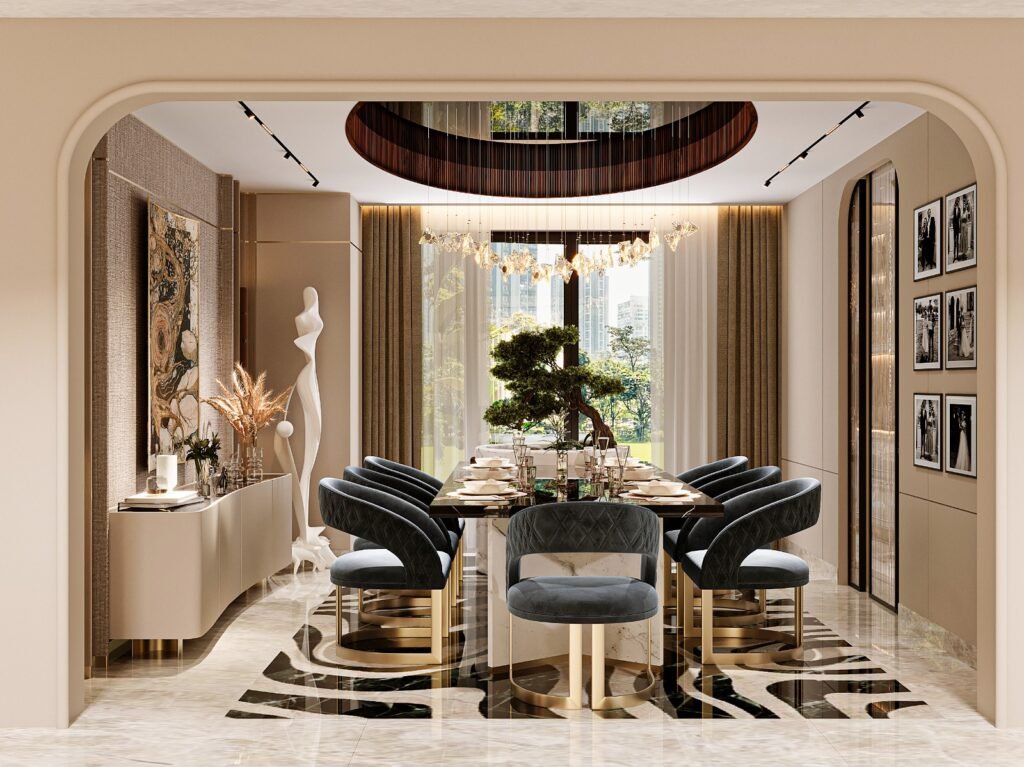
Opt for Open Layout Concepts
Open-plan designs are highly effective in improving space utilization. Removing unnecessary walls and partitions creates a continuous flow between areas.
Open layouts offer several advantages:
- They visually expand the available space by eliminating barriers.
- Natural light spreads evenly across connected areas.
- Social interaction becomes easier as living and dining spaces blend seamlessly.
- Flexibility increases, allowing you to rearrange furniture as needed.
- The home feels modern, spacious, and welcoming.
If complete removal of walls is not possible, consider using glass partitions, open shelving units, or decorative screens to maintain openness.
Incorporate Customized Built-In Storage Solutions
Custom-built storage is one of the most effective ways to utilize every corner efficiently. Unlike ready-made furniture, built-in units are designed according to the exact dimensions of your space.
Built-in storage solutions help you:
- Utilize awkward corners and unused niches effectively.
- Maintain a seamless and clutter-free appearance.
- Increase storage capacity without overcrowding the room.
- Hide electrical wiring, appliances, and everyday essentials neatly.
- Achieve a clean and uniform interior design theme.
Tailor-made storage ensures long-term organization and functionality.
Use Layered and Strategic Lighting
Lighting has a significant impact on how spacious a room feels. Poor lighting can make interiors appear smaller and dull.
A layered lighting approach includes:
- Ambient lighting is to provide overall brightness throughout the room.
- Task lighting for focused activities such as reading, cooking, or working.
- Accent lighting to highlight architectural features or décor elements.
- Natural light enhancement through sheer curtains and unobstructed windows.
- Even light distribution to eliminate dark corners and shadows.
Proper lighting enhances depth and creates a welcoming atmosphere.
Keep Interiors Organized and Free from Clutter
No matter how well-designed a space is, clutter can instantly reduce its appeal. Maintaining organization is essential for long-term space efficiency.
Effective organization practices include:
- Regularly decluttering unused or unnecessary items.
- Using drawer dividers and organizers for better arrangement.
- Assigning specific storage areas for different categories of items.
- Avoiding excessive decorative accessories that occupy surface space.
- Keeping countertops, tables, and shelves clean and minimal.
A well-organized home automatically appears larger, calmer, and more comfortable.
Design According to Daily Lifestyle Needs
Space utilization should reflect the lifestyle of the residents. A design that works for one family may not suit another.
Designing according to lifestyle ensures that:
- Daily routines are supported through practical layouts.
- Storage is planned based on actual requirements.
- Work-from-home areas are efficiently integrated.
- Children have safe and open spaces for activities.
- The home remains functional for years to come.
When interiors are designed around real needs, space is used wisely and efficiently.
Conclusion
Interior Design Tips for Better Space Utilization focus on smart planning, functional furniture selection, effective storage solutions, and balanced layouts. By optimizing vertical space, choosing appropriate furniture proportions, maintaining organization, and incorporating thoughtful lighting, you can transform any home into a spacious and efficient living environment.
Efficient space utilization not only enhances visual appeal but also improves comfort, productivity, and long-term satisfaction. With careful planning and practical design strategies, every square foot of your home can serve a meaningful purpose while maintaining elegance and harmony.